Where Do Tibetan Singing
Bowls Come From?
The history of
the Tibetan singing bowl stretches back over 2,500 years. These bowls originated in the Himalayan
region — spanning present-day Nepal,
Tibet, India, and Bhutan
— where they were used by Buddhist
monks and shamanic practitioners as tools for meditation, spiritual ceremony, and healing.
Despite the name "Tibetan"
singing bowl, the finest and most authentic singing bowls are actually made in Nepal, particularly in
the Kathmandu Valley. Here, families of
skilled metalworkers have passed the
craft down through generations, preserving techniques
that are over a thousand years old.
At Buddha Chime, our bowls are handcrafted by these very artisans in
Kathmandu —
each one
shaped by
hand, note by note.
"Each
bowl carries the energy of the hands that made it — the patience of the craftsman,
the spirit of the Himalayas, and the intention of the tradition."
- Buddha Chime Artisans,
Kathmandu, Nepal
Historically, singing bowls were used in
Bon (the pre-Buddhist shamanic tradition of
Tibet) and later became integral to
Tantric Buddhist practice. They were placed on altars, used to call monks to
meditation sessions, and played during sacred rituals. In
Japan, a
similar instrument called the suzu gong developed independently, showing how this
type of resonant bell emerged across multiple Asian cultures.
What Are Tibetan Singing
Bowls Made Of?
The material composition of
a Tibetan singing bowl is what gives it
its distinctive, multi- layered sound.
Traditional singing bowls are made from an alloy of seven metals, each one historically connected to a
celestial body in ancient cosmology.
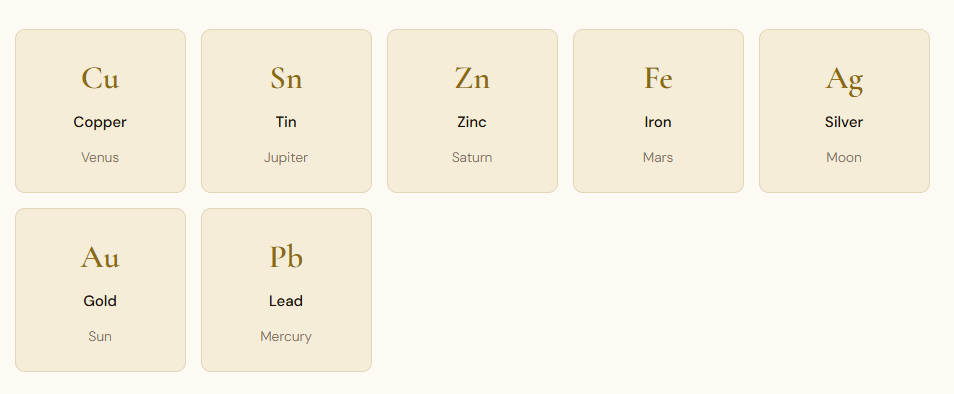
In practice, most authentic modern bowls from Nepal use
a high-quality bronze or
brass alloy (primarily copper and tin), which produces an exceptional sound quality and excellent resonance. The exact ratios of
metals used by each artisan family are often closely guarded secrets, refined over generations.
How Does a Tibetan Singing Bowl Produce Sound?
The physics behind a singing bowl's sound is as
beautiful as
the sound itself. When you strike the rim with a
mallet, the
metal vibrates and radiates sound waves outward in
all directions. What makes this unique is
that a
singing bowl doesn't produce just one frequency , it produces multiple simultaneous harmonics, or overtones.
These harmonic layers are why
the sound of a
singing bowl feels so
enveloping and immersive. Research in
sound therapy suggests that these complex vibrations interact with the brain's own electrical rhythms, helping to slow brainwave activity from the
alert beta state into the relaxed
alpha or even deep theta state associated with deep meditation.
Two ways
to play
a singing bowl
1 Striking — for a clear, resonant tone
Hold the bowl flat in your open palm. Strike the upper side of the rim with the padded end
of the mallet using a smooth, outward
wrist motion. The bowl will ring immediately and sustain for 30 seconds or more. This method is used for marking the start and end of meditation.
2 Rimming — for a continuous singing tone
After striking, press the wooden
or suede side of the mallet gently
against the outer
rim and move it slowly in a clockwise circle, maintaining light, consistent pressure. Within one full rotation,
the bowl will begin to "sing" — producing a sustained, rising tone. The speed of
your circular motion controls the pitch and intensity.
What Are Tibetan Singing
Bowls Used For?
The uses of Tibetan singing bowls
have expanded significantly from their ceremonial roots. Today, they serve diverse purposes across spiritual, therapeutic, and
everyday wellness contexts.
MOST COMMON
USES OF TIBETAN
SINGING BOWLS
◆
Buddhist meditation: Struck to mark the beginning and end of meditation cycles;
a traditional use still
practiced in monasteries today
◆
Sound healing: Used by trained sound therapists
to
promote deep relaxation, emotional release, and physical healing
through vibrational therapy
◆
Chakra balancing: Different bowl sizes correspond
to
different energy centers; a 7-chakra set covers all seven chakras in one session
◆
Yoga practice: Played at the start and end of yoga sessions to center the mind and deepen awareness
◆
Sleep
and stress relief: The sustained tone activates the parasympathetic
nervous system, helping
to reduce cortisol and prepare the body for deep rest
◆
Space clearing: The vibrations
are
traditionally believed to clear stagnant or negative energy
from a room or environment
Types of Tibetan Singing Bowls
Not all Tibetan singing bowls are the
same. Different styles, sizes, and decorative techniques produce different sounds and
serve different purposes. Understanding these
differences
helps you choose
the right bowl for your intention.
Plain singing bowls
Smooth, undecorated bowls that
emphasize pure tonal quality. These are the purest expression of
the craft — every detail of
their sound depends entirely on the
metal composition and
the skill of the
maker. Ideal for serious meditation practice and sound healing, where
the sound itself
is the focus.
Engraved singing bowls
Bowls with sacred symbols hand-etched into the
surface —
commonly the
Om symbol, the Flower of Life, mandalas, and
the eternal knot. These symbols are
believed to
amplify the spiritual intention of the
bowl. The
engraving process does not
affect the
bowl's sound, but
adds deep visual and
symbolic significance.
Hand-painted singing bowls
Bowls decorated with vibrant, hand-painted artwork —
often depicting Buddhas, Green Tara, mandalas, or Himalayan landscapes. These are as much works of art as
instruments. At Buddha Chime, every painted bowl is created by skilled Nepali artists who train for years in this tradition.
Chakra healing bowl sets
A set of
seven bowls, each tuned to correspond to one
of the
seven chakras (energy centers of the body). Each bowl is sized and crafted to produce the specific note associated with its chakra — from the deep C note of the Root Chakra to the high B note of the Crown Chakra.
These sets are the foundation of sound healing practice.
Full moon
and new moon
bowls
A unique Nepali tradition: some bowls are crafted and consecrated specifically during the full moon or
new moon, when artisans believe the
energy and
intention of
the cosmos are most potent. These bowls carry a
special spiritual significance beyond their sound quality.
How to Choose an Authentic Handmade
Singing Bowl
The global market for singing bowls
is large, and unfortunately many products sold as "Tibetan singing bowls" are
machine-made in
factories with no connection to the Himalayan tradition. Here is how
to tell the difference — and
ensure you
are buying something real.
SIGNS
OF AN AUTHENTIC HANDMADE BOWL
◆
Visible hammer marks: Look at the surface — a handmade bowl will show small, irregular hammer marks across the metal. These are evidence of the hand-hammering process and are a mark of authenticity, not a flaw.
◆
Slight irregularity: Machine-made bowls are perfectly uniform. A handmade
bowl will have slight variations in wall thickness and rim shape — this is what creates its unique
sound.
◆ Rich, layered sound: Strike the bowl and listen carefully. An authentic bowl produces multiple overlapping tones that evolve over time. A machine-made bowl produces a single,
flat tone that fades quickly.
◆
Source transparency: A genuine Nepal artisan supplier can tell you who made the bowl, where, and how. At Buddha Chime, we work directly with artisan families
in Kathmandu.
◆
Weight: Authentic bowls feel substantial for their size due to the dense metal alloy. Lightweight bowls often
use cheaper, thinner
materials.
At Buddha Chime, every bowl we sell is hand-hammered by skilled Nepali artisans using traditional techniques. We source directly from the craftspeople themselves, ensuring that your purchase supports
the families who carry this ancient tradition forward.
Frequently asked questions
For beginners, a medium-sized bowl between 4 and 6 inches in diameter is ideal. This size is easy to hold, easy to play, and produces a clear and pleasant tone suitable for personal meditation and home use. Smaller bowls (3 inches or under) are more difficult to rim and produce very high-pitched tones. Larger bowls (8 inches and above) are better suited for sound healing practitioners.
Yes, both are essential. The cushion (a small ring-shaped pad) supports the bowl and allows it to vibrate freely without being dampened by a hard surface. The mallet is used to strike and rim the bowl. All singing bowls sold at Buddha Chime include a matching cushion and mallet, so you have everything you need to begin immediately.
Anyone can use a Tibetan singing bowl. The basic striking technique is intuitive and requires no prior experience. The rimming technique (producing the sustained singing tone) takes a little practice — most beginners master it within 10–15 minutes of patient practice. No special training or spiritual background is required.
No. While Tibetan singing bowls have deep roots in Buddhist and Bon spiritual traditions, they are used today by people of all backgrounds and belief systems. Wellness practitioners, yoga teachers, therapists, musicians, and anyone seeking a tool for relaxation and mindfulness use singing bowls without any religious affiliation.
Tibetan singing bowls require minimal care. Wipe the bowl with a soft, dry cloth after use to remove oils from your hands. Avoid exposing it to harsh chemicals or submerging it in water. Store it on its cushion or in a padded bag to protect the rim. With basic care, a quality handmade bowl will last a lifetime and may even improve in tone as the metal ages.
Tibetan (metal) singing bowls are hand-hammered from a metal alloy and produce warm, complex, multi-layered tones with rich overtones. Crystal singing bowls are made from quartz crystal and produce a single, pure, high- pitched tone. Metal bowls are more traditional, more durable, and generally more affordable. Crystal bowls are favored in some modern sound healing practices for their pure, clear frequency. Both are valid tools — the choice depends on your personal intention and preference.