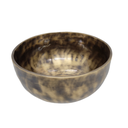
A single clear tone rings out, and a noisy room of seven-year-olds slowly goes quiet, every head tilted toward the fading sound. Teachers and parents who try this often describe it as something close to magic. But is it? People have used singing bowls in Himalayan practice for generations, and a new wave of calm corners and mindfulness programs now brings them into classrooms. The gap between tradition and evidence is wide, and worth examining honestly.
01The Basic Science: Why a Bowl Quiets a Room
A singing bowl produces a sustained, slowly decaying tone rich in overtones. Two well-studied mechanisms explain most of what happens next, and neither requires mystical claims.
The first is orienting. A novel, gentle sound automatically draws attention. When children are asked to listen until the tone completely disappears, that single instruction gives attention one narrow, finite target. The fading tail of the sound, often 30 to 60 seconds on a quality bowl, becomes a built-in timer for sustained focus.
The second is arousal down-regulation. Slow, predictable sound can support slower breathing and a calmer body state. The bowl is not special because it has a secret frequency. It is useful because it is simple, repeatable, pleasant, and easy for children to understand.
Interactive Image 1: Bowl Tone Timeline
02What the Numbers Show
Direct classroom trials of singing bowls with children are limited. The honest picture comes from layering three nearby bodies of evidence: school-based mindfulness programs, child music and attention studies, and adult sound-meditation studies. The charts below separate stronger evidence from weaker claims.
Interactive Chart 1: School Mindfulness Effect Sizes
Zenner et al. 2014, school mindfulness meta-analysis. Hover or tap the bars.
Attention and cognitive performance show the strongest result in this nearby evidence base.
Interactive Chart 2: Evidence Strength by Source
Editorial synthesis score from 0 to 100. This is not a measured statistic.
Direct evidence for singing bowls with children in classrooms remains limited, so claims should stay modest.
Interactive Chart 3: A Short Listening Session
Illustrative model of what a 90-second sound break can feel like. Not measured classroom data.
The useful pattern is simple: as the tone fades, the room has a shared cue for slowing down.
Interactive Chart 4: What Supports the Article's Claims
A visual summary of the evidence mix used in this article.
The strongest claims come from school mindfulness and child attention research, while singing-bowl-specific claims are narrower.
Interactive Chart 5: Classroom Use Profile
Compare common uses by practicality, evidence fit, and sensitivity risk.
The most defensible classroom use is a predictable transition cue, not a therapeutic promise.
Benefit 01Sharpening Attention and Focus
Of everything researchers have measured, attention is where the signal is clearest. A sound-listening practice is a tiny attention repetition: notice the tone, hold it, and notice when it ends.
Music research points the same way. A clear listening target reduces competing demands on working memory, and the act of waiting for silence trains sustained attention in a way young children can actually do.
Benefit 02Calming the Nervous System
When children listen to a slow, sustained tone, their breathing often slows with it. This matters in a classroom because a dysregulated nervous system is a poor learner. A 60-second sound break before a test or after recess gives the body a moment to step down before being asked to think.
Benefit 03Emotional Regulation and Self-Soothing
A singing bowl gives an abstract skill a concrete anchor. “When you feel overloaded, strike the bowl once and listen” turns self-regulation into a ritual a young child can perform. Over time, the sound can become a learned signal associated with settling.
Benefit 04Marking Classroom Transitions
This is the most practical use. A bowl is an attentional cue, a clear, calm, non-verbal signal that the room is changing tasks. It replaces raised voices and flicked lights with one sound everyone has learned to listen for.
Benefit 05An Inclusive, Low-Demand Practice
Sitting still with eyes closed is hard for many children, especially those who are very young, very active, or neurodivergent. A bowl asks for one concrete action: listen until the sound is gone. For sound-sensitive children, it should always be optional and gentle.
Interactive Tool: How Long Should a Child's Sound Break Be?
Tap an age group for practical starting guidance.
One or two strikes. Ask children to raise a hand when they can no longer hear the sound.
Interactive Image 2: Classroom Protocol
03What the Research Does Not Claim
Evidence Limits and Safety Notes
- There are no large controlled trials of singing bowls used specifically with children in classrooms.
- Singing bowls do not cure, treat, or heal ADHD, anxiety disorders, autism, trauma, or any medical condition.
- There is no credible evidence for claims about specific healing frequencies, tuning chakras, or repairing DNA.
- Benefits depend on consistent, calm practice. A bowl used to startle children can do the opposite of settling the room.
- Some children find sudden or sustained tones uncomfortable. Participation should always be optional.
04Practical Classroom Protocol
Interactive Image 3: Accessibility Choices
05Key Studies at a Glance
Zenner and colleagues pooled 24 school-based mindfulness studies with about 1,348 students. The largest benefit appeared in cognitive performance and attention, with smaller gains in stress and resilience.
Goldsby and colleagues found that adults reported lower tension, anger, fatigue, and depressed mood after a Tibetan singing-bowl sound meditation. This is adult-only and observational, so it should not be overstated for children.
Controlled studies of young children suggest that short structured music activities can shift attention test scores relative to control activities.
Slow-tempo music is associated with lower heart rate and reduced stress-related arousal in several studies, supporting the broad calming mechanism.
06Methodology and Source Transparency
This article synthesizes school mindfulness research, child-focused sound and attention studies, music physiology, adult sound-meditation studies, and classroom practice guidance. Claims are strongest where school-based meta-analytic evidence exists. Claims are weaker where they rely on adult studies, indirect evidence, or practitioner observation.
Charts labeled illustrative are explanatory models, not measurements from a classroom trial. They are included to help parents and teachers understand the mechanism and routine, not to imply clinical certainty.
07Frequently Asked Questions
At what age can children start using a singing bowl?
From around age three, with the right framing. Very young children respond best to one or two gentle strikes and a simple playful instruction: raise your hand when the sound disappears. Keep sessions under a minute.
Is this a replacement for therapy or medication?
No. A singing bowl is a self-regulation tool, not a replacement for professional care, medication, or addressing the causes of a child's stress.
Can it overstimulate sensitive or neurodivergent children?
Yes, occasionally. Keep the volume low, make participation optional, and offer visual or silent alternatives.
What kind of bowl works best in a classroom?
A mid-sized hand-hammered bowl with a long, clean sustain is ideal. A soft-tipped striker helps keep the attack gentle.
How often should we use it?
Consistency matters more than duration. A minute or two at predictable moments works better than long occasional sessions.
08References
- Zenner, C., Herrnleben-Kurz, S., and Walach, H. Mindfulness-based interventions in schools: a systematic review and meta-analysis. Frontiers in Psychology, 2014.
- Goldsby, T. L., Goldsby, M. E., McWalters, M., and Mills, P. J. Effects of singing bowl sound meditation on mood, tension, and well-being. Journal of Evidence-Based Complementary and Alternative Medicine, 2017.
- Broader child music and attention research, used here as adjacent evidence for structured sound engagement and attention.
- Music physiology studies on slow tempo, heart rate, stress markers, and relaxation response, used here as adjacent support for the arousal mechanism.
Experience the research for yourself
Every Buddha Chime bowl is hand-hammered by Nepali artisans for a warm, sustained tone that turns listening into a calm, focused ritual children can actually feel.
A single clear tone rings out, and a noisy room of seven-year-olds slowly goes quiet, every head tilted toward the fading sound. Teachers and parents who try this often describe it as something close to magic. But is it? People have used singing bowls in Himalayan practice for generations, and a new wave of calm corners and mindfulness programs now brings them into classrooms. The gap between tradition and evidence is wide, and worth examining honestly.
01The Basic Science: Why a Bowl Quiets a Room
A singing bowl produces a sustained, slowly decaying tone rich in overtones. Two well-studied mechanisms explain most of what happens next, and neither requires mystical claims.
The first is orienting. A novel, gentle sound automatically draws attention. When children are asked to listen until the tone completely disappears, that single instruction gives attention one narrow, finite target. The fading tail of the sound, often 30 to 60 seconds on a quality bowl, becomes a built-in timer for sustained focus.
The second is arousal down-regulation. Slow, predictable sound can support slower breathing and a calmer body state. The bowl is not special because it has a secret frequency. It is useful because it is simple, repeatable, pleasant, and easy for children to understand.
Interactive Image 1: Bowl Tone Timeline
02What the Numbers Show
Direct classroom trials of singing bowls with children are limited. The honest picture comes from layering three nearby bodies of evidence: school-based mindfulness programs, child music and attention studies, and adult sound-meditation studies. The charts below separate stronger evidence from weaker claims.
Interactive Chart 1: School Mindfulness Effect Sizes
Zenner et al. 2014, school mindfulness meta-analysis. Hover or tap the bars.
Attention and cognitive performance show the strongest result in this nearby evidence base.
Interactive Chart 2: Evidence Strength by Source
Editorial synthesis score from 0 to 100. This is not a measured statistic.
Direct evidence for singing bowls with children in classrooms remains limited, so claims should stay modest.
Interactive Chart 3: A Short Listening Session
Illustrative model of what a 90-second sound break can feel like. Not measured classroom data.
The useful pattern is simple: as the tone fades, the room has a shared cue for slowing down.
Interactive Chart 4: What Supports the Article's Claims
A visual summary of the evidence mix used in this article.
The strongest claims come from school mindfulness and child attention research, while singing-bowl-specific claims are narrower.
Interactive Chart 5: Classroom Use Profile
Compare common uses by practicality, evidence fit, and sensitivity risk.
The most defensible classroom use is a predictable transition cue, not a therapeutic promise.
Benefit 01Sharpening Attention and Focus
Of everything researchers have measured, attention is where the signal is clearest. A sound-listening practice is a tiny attention repetition: notice the tone, hold it, and notice when it ends.
Music research points the same way. A clear listening target reduces competing demands on working memory, and the act of waiting for silence trains sustained attention in a way young children can actually do.
Benefit 02Calming the Nervous System
When children listen to a slow, sustained tone, their breathing often slows with it. This matters in a classroom because a dysregulated nervous system is a poor learner. A 60-second sound break before a test or after recess gives the body a moment to step down before being asked to think.
Benefit 03Emotional Regulation and Self-Soothing
A singing bowl gives an abstract skill a concrete anchor. “When you feel overloaded, strike the bowl once and listen” turns self-regulation into a ritual a young child can perform. Over time, the sound can become a learned signal associated with settling.
Benefit 04Marking Classroom Transitions
This is the most practical use. A bowl is an attentional cue, a clear, calm, non-verbal signal that the room is changing tasks. It replaces raised voices and flicked lights with one sound everyone has learned to listen for.
Benefit 05An Inclusive, Low-Demand Practice
Sitting still with eyes closed is hard for many children, especially those who are very young, very active, or neurodivergent. A bowl asks for one concrete action: listen until the sound is gone. For sound-sensitive children, it should always be optional and gentle.
Interactive Tool: How Long Should a Child's Sound Break Be?
Tap an age group for practical starting guidance.
One or two strikes. Ask children to raise a hand when they can no longer hear the sound.
Interactive Image 2: Classroom Protocol
03What the Research Does Not Claim
Evidence Limits and Safety Notes
- There are no large controlled trials of singing bowls used specifically with children in classrooms.
- Singing bowls do not cure, treat, or heal ADHD, anxiety disorders, autism, trauma, or any medical condition.
- There is no credible evidence for claims about specific healing frequencies, tuning chakras, or repairing DNA.
- Benefits depend on consistent, calm practice. A bowl used to startle children can do the opposite of settling the room.
- Some children find sudden or sustained tones uncomfortable. Participation should always be optional.
04Practical Classroom Protocol
Interactive Image 3: Accessibility Choices
05Key Studies at a Glance
Zenner and colleagues pooled 24 school-based mindfulness studies with about 1,348 students. The largest benefit appeared in cognitive performance and attention, with smaller gains in stress and resilience.
Goldsby and colleagues found that adults reported lower tension, anger, fatigue, and depressed mood after a Tibetan singing-bowl sound meditation. This is adult-only and observational, so it should not be overstated for children.
Controlled studies of young children suggest that short structured music activities can shift attention test scores relative to control activities.
Slow-tempo music is associated with lower heart rate and reduced stress-related arousal in several studies, supporting the broad calming mechanism.
06Methodology and Source Transparency
This article synthesizes school mindfulness research, child-focused sound and attention studies, music physiology, adult sound-meditation studies, and classroom practice guidance. Claims are strongest where school-based meta-analytic evidence exists. Claims are weaker where they rely on adult studies, indirect evidence, or practitioner observation.
Charts labeled illustrative are explanatory models, not measurements from a classroom trial. They are included to help parents and teachers understand the mechanism and routine, not to imply clinical certainty.
07Frequently Asked Questions
At what age can children start using a singing bowl?
From around age three, with the right framing. Very young children respond best to one or two gentle strikes and a simple playful instruction: raise your hand when the sound disappears. Keep sessions under a minute.
Is this a replacement for therapy or medication?
No. A singing bowl is a self-regulation tool, not a replacement for professional care, medication, or addressing the causes of a child's stress.
Can it overstimulate sensitive or neurodivergent children?
Yes, occasionally. Keep the volume low, make participation optional, and offer visual or silent alternatives.
What kind of bowl works best in a classroom?
A mid-sized hand-hammered bowl with a long, clean sustain is ideal. A soft-tipped striker helps keep the attack gentle.
How often should we use it?
Consistency matters more than duration. A minute or two at predictable moments works better than long occasional sessions.
08References
- Zenner, C., Herrnleben-Kurz, S., and Walach, H. Mindfulness-based interventions in schools: a systematic review and meta-analysis. Frontiers in Psychology, 2014.
- Goldsby, T. L., Goldsby, M. E., McWalters, M., and Mills, P. J. Effects of singing bowl sound meditation on mood, tension, and well-being. Journal of Evidence-Based Complementary and Alternative Medicine, 2017.
- Broader child music and attention research, used here as adjacent evidence for structured sound engagement and attention.
- Music physiology studies on slow tempo, heart rate, stress markers, and relaxation response, used here as adjacent support for the arousal mechanism.
Experience the research for yourself
Every Buddha Chime bowl is hand-hammered by Nepali artisans for a warm, sustained tone that turns listening into a calm, focused ritual children can actually feel.