For many, the transition from a high-paced day to restful sleep is the most difficult part of the evening. We expect our brains to simply "turn off" the moment our heads hit the pillow, but sleep is not an on/off switch—it is a gradual physiological shift. While singing bowls have been used for meditation for centuries, modern research is increasingly focused on how this acoustic tool can effectively bridge the gap between daytime stress and deep sleep. If you are wondering whether a singing bowl actually works for sleep, the answer lies in how your nervous system responds to sustained vibration.
The Physiology of Sound and Sleep
To understand how a singing bowl aids sleep, it helps to look at what prevents sleep in the first place. Chronic stress keeps the body in a prolonged "fight or flight" state, dominated by the sympathetic nervous system and elevated levels of the wake-promoting hormone cortisol. When cortisol is high, your body is chemically blocked from initiating rest.
Singing bowls intervene in this process through a few key biological mechanisms:
Activating the Vagus Nerve
The long, rhythmic tones of a singing bowl stimulate the vagus nerve, which acts as the brake pedal for your nervous system. This stimulation drops the heart rate and gently lowers blood pressure, signaling to your body that it is safe to rest.
Physiological shift Parasympathetic responseLowering Cortisol Production
Research indicates that the deep relaxation response triggered by sound therapy helps reduce cortisol production. As these stress hormones clear the bloodstream, the physical conditions for sleep initiation become highly favorable.
Hormone regulation Stress clearanceShifting Brainwave States
During a stressful day, your brain operates in high-frequency Beta waves. The acoustic resonance of a singing bowl guides the brain into slower, relaxed Alpha waves, eventually paving the way for the Theta and Delta waves required for deep, restorative sleep.
Neurological bridging Alpha inductionHow to Create a Pre-Sleep Sound Ritual
The most consistent benefits are found when singing bowls are used as part of a dedicated pre-sleep ritual. By practicing consistently, you train your nervous system to associate the specific sound of your bowl with the transition into rest.
- 1. Dim the Lights: About 30 minutes before bed, reduce your exposure to blue light and screens. Sit comfortably on your bed or a meditation cushion.
- 2. Strike and Breathe: Gently strike the rim of the bowl. As the sound rings out, take a slow, deep breath in through your nose, and exhale slowly through your mouth.
- 3. Follow the Decay: Focus your complete attention on the sound as it slowly fades. Wait until the sound has completely dissipated into silence before striking the bowl again.
- 4. Keep it Brief: A session does not need to be long to be effective. Just 10 to 15 minutes of gentle, focused play is enough to initiate a parasympathetic response.
Does the Quality of the Bowl Matter?
When using a singing bowl specifically for nervous system regulation and sleep, acoustic quality is paramount. A bowl that produces a flat, short tone will not provide the sustained auditory stimulus required to effectively shift your brainwave state.
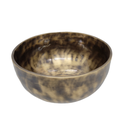
For therapeutic use, a genuine, hand-hammered Nepali bowl is highly recommended. Because they are crafted by artisans rather than mass-produced by machines, these bowls possess complex, layered overtones and a remarkable sustain that can last 30 to 60 seconds or more. It is this deep, lingering resonance that provides a fundamentally different acoustic environment, effectively holding the mind's focus and gently guiding the body into rest.
Setting Realistic Expectations
It is important to remember that singing bowls are a supportive tool, not a medical cure. While acute effects like a lowered heart rate can be felt in a single 10-minute session, the most profound improvements in sleep duration and quality emerge after two to four weeks of consistent, daily practice.
By committing to a nightly sound ritual, you provide your mind with a clear, acoustic pathway out of the day's stress and into the deep rest your body requires.
Ready to improve your evening ritual?
Every Buddha Chime bowl is hand-hammered by Nepali artisans to ensure the rich overtones
and 30–60+ second sustain necessary for deep relaxation.
For many, the transition from a high-paced day to restful sleep is the most difficult part of the evening. We expect our brains to simply "turn off" the moment our heads hit the pillow, but sleep is not an on/off switch—it is a gradual physiological shift. While singing bowls have been used for meditation for centuries, modern research is increasingly focused on how this acoustic tool can effectively bridge the gap between daytime stress and deep sleep. If you are wondering whether a singing bowl actually works for sleep, the answer lies in how your nervous system responds to sustained vibration.
The Physiology of Sound and Sleep
To understand how a singing bowl aids sleep, it helps to look at what prevents sleep in the first place. Chronic stress keeps the body in a prolonged "fight or flight" state, dominated by the sympathetic nervous system and elevated levels of the wake-promoting hormone cortisol. When cortisol is high, your body is chemically blocked from initiating rest.
Singing bowls intervene in this process through a few key biological mechanisms:
Activating the Vagus Nerve
The long, rhythmic tones of a singing bowl stimulate the vagus nerve, which acts as the brake pedal for your nervous system. This stimulation drops the heart rate and gently lowers blood pressure, signaling to your body that it is safe to rest.
Physiological shift Parasympathetic responseLowering Cortisol Production
Research indicates that the deep relaxation response triggered by sound therapy helps reduce cortisol production. As these stress hormones clear the bloodstream, the physical conditions for sleep initiation become highly favorable.
Hormone regulation Stress clearanceShifting Brainwave States
During a stressful day, your brain operates in high-frequency Beta waves. The acoustic resonance of a singing bowl guides the brain into slower, relaxed Alpha waves, eventually paving the way for the Theta and Delta waves required for deep, restorative sleep.
Neurological bridging Alpha inductionHow to Create a Pre-Sleep Sound Ritual
The most consistent benefits are found when singing bowls are used as part of a dedicated pre-sleep ritual. By practicing consistently, you train your nervous system to associate the specific sound of your bowl with the transition into rest.
- 1. Dim the Lights: About 30 minutes before bed, reduce your exposure to blue light and screens. Sit comfortably on your bed or a meditation cushion.
- 2. Strike and Breathe: Gently strike the rim of the bowl. As the sound rings out, take a slow, deep breath in through your nose, and exhale slowly through your mouth.
- 3. Follow the Decay: Focus your complete attention on the sound as it slowly fades. Wait until the sound has completely dissipated into silence before striking the bowl again.
- 4. Keep it Brief: A session does not need to be long to be effective. Just 10 to 15 minutes of gentle, focused play is enough to initiate a parasympathetic response.
Does the Quality of the Bowl Matter?
When using a singing bowl specifically for nervous system regulation and sleep, acoustic quality is paramount. A bowl that produces a flat, short tone will not provide the sustained auditory stimulus required to effectively shift your brainwave state.
For therapeutic use, a genuine, hand-hammered Nepali bowl is highly recommended. Because they are crafted by artisans rather than mass-produced by machines, these bowls possess complex, layered overtones and a remarkable sustain that can last 30 to 60 seconds or more. It is this deep, lingering resonance that provides a fundamentally different acoustic environment, effectively holding the mind's focus and gently guiding the body into rest.
Setting Realistic Expectations
It is important to remember that singing bowls are a supportive tool, not a medical cure. While acute effects like a lowered heart rate can be felt in a single 10-minute session, the most profound improvements in sleep duration and quality emerge after two to four weeks of consistent, daily practice.
By committing to a nightly sound ritual, you provide your mind with a clear, acoustic pathway out of the day's stress and into the deep rest your body requires.
Ready to improve your evening ritual?
Every Buddha Chime bowl is hand-hammered by Nepali artisans to ensure the rich overtones
and 30–60+ second sustain necessary for deep relaxation.
Start writing here...