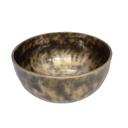
People have used Tibetan singing bowls for meditation and healing for over two thousand years. But what does modern science actually say about their benefits? Over the past two decades, a growing body of research has begun to examine what happens in the brain and body when people are exposed to singing bowl sound — and the findings are more significant than most people realize. This guide covers the key research, explains the mechanisms behind each benefit, and helps you understand what singing bowls can and cannot reasonably be expected to do.
How Sound Affects the Body: The Basic Science
Before examining specific benefits, it is useful to understand why sound can have measurable physiological effects. The key lies in how the human body responds to vibration.
Sound is not merely something we hear — it is physical vibration that travels through air and through the body itself. When a singing bowl is played, it produces sound waves at specific frequencies. These waves are absorbed not only through the ears but through the skin, the bones, and the organs — particularly when the bowl is held close to or placed on the body during sound healing sessions.
The nervous system is exquisitely sensitive to these vibrations. Research in neuroscience has shown that sustained rhythmic auditory input — like the sustained tone of a singing bowl — can directly influence brainwave patterns, heart rate variability, and the balance between the sympathetic (stress) and parasympathetic (rest) nervous systems.
Sound enters through three simultaneous pathways — producing measurable physiological changes in the nervous system, hormones, and cardiovascular system
The 7 Researched Benefits of Singing Bowl Sound
1. Stress and Anxiety Reduction
This is the most extensively researched benefit of singing bowl therapy, and the evidence is consistent across multiple studies. A landmark study published in the Journal of Evidence-Based Complementary and Alternative Medicine (2016) found that participants who received singing bowl meditation sessions showed significantly greater reductions in tension, anxiety, and physical pain than those in the control group — with effects appearing after a single session.
The physiological mechanism appears to involve the activation of the parasympathetic nervous system — the "rest and digest" state that counteracts the chronic "fight or flight" mode most adults live in. The sustained, rhythmic tone of a singing bowl provides a consistent auditory stimulus that helps regulate the autonomic nervous system, reducing the production of stress hormones including cortisol and adrenaline.
Strong evidence Multiple studies Measurable cortisol reduction2. Blood Pressure and Heart Rate Reduction
A significant study published in the American Journal of Health Promotion found that participants who practiced Tibetan singing bowl meditation before a directed relaxation session showed significantly lower blood pressure and heart rate than participants in a silence group. The reductions were clinically meaningful — not simply statistical artifacts.
The mechanism is well-understood: the parasympathetic activation triggered by sustained rhythmic sound slows heart rate directly through the vagus nerve — the longest nerve in the body, which directly connects the brain to the heart. When the vagus nerve is stimulated (as it is by slow, resonant sound), heart rate drops and blood vessels dilate slightly, reducing blood pressure.
Clinical significance Vagal nerve activation American Journal of Health Promotion3. Pain Reduction and Management
Several studies have examined singing bowl therapy in the context of pain management — particularly chronic pain — with encouraging results. Research has found that singing bowl sound therapy significantly reduces subjective pain scores in participants, with some studies showing reductions in physical pain measures alongside the psychological measures.
The proposed mechanism involves two pathways: first, the deep relaxation response suppresses the nervous system's pain signaling threshold; second, the sound appears to trigger the release of endorphins — the body's natural pain-relieving neurotransmitters. Additionally, the focused attention required to follow the sound may engage descending pain modulation pathways in the brain that reduce pain perception.
It is important to note that singing bowl therapy is studied as a complementary approach — it is not proposed as a replacement for medical pain management, and the research consistently frames it as an adjunct to, not a substitute for, conventional treatment.
Consistent findings Endorphin release Chronic pain research4. Sleep Quality Improvement
The relationship between singing bowl practice and sleep is one of the most commonly reported anecdotal benefits — and it has begun to attract scientific attention. Studies examining mindfulness-based sound interventions have found improvements in sleep onset (time to fall asleep), sleep duration, and self-reported sleep quality among regular practitioners.
The connection to sleep is physiologically logical: if singing bowl practice activates the parasympathetic nervous system and reduces cortisol — as the research suggests — these are precisely the conditions the body needs to transition into sleep. Cortisol is a wake-promoting hormone; when its levels drop, the conditions for sleep initiation become significantly more favorable.
Many practitioners report that using a singing bowl as part of a pre-sleep ritual — 10–15 minutes of gentle play before bed — produces the most consistent and dramatic improvements in sleep quality. The ritual aspect itself may contribute: consistent pre-sleep cues train the nervous system to associate the sound with the transition into rest.
Growing evidence Cortisol-sleep connection Parasympathetic activation5. Mood Improvement and Emotional Wellbeing
Research consistently shows improvements in mood-related measures following singing bowl sessions. The landmark 2016 study found statistically significant reductions in tension, anger, fatigue, and depressed mood — alongside increases in spiritual wellbeing scores — after singing bowl meditation. These effects were present even in participants who had no prior experience with the practice.
The emotional benefits are thought to involve several mechanisms: the relaxation response directly counteracts emotional dysregulation associated with chronic stress; the focused attention on sound creates a mindful state that reduces rumination (the repetitive negative thinking associated with depression and anxiety); and the vibration itself may directly stimulate the vagus nerve, which is increasingly understood to play a central role in emotional regulation.
Consistent across studies Reduced rumination Vagal stimulation6. Improved Focus and Mental Clarity
The alpha brainwave state that singing bowl practice induces — a state of relaxed alertness — is associated with improved creative thinking, better problem-solving, and enhanced concentration. Many practitioners describe a particular quality of mental clarity that follows a singing bowl session: the mind feels quieter but more awake, able to engage with tasks with less scattered, reactive energy.
This effect is supported by research on alpha wave enhancement more broadly: studies have shown that alpha wave activity correlates with improved working memory, faster information processing, and reduced susceptibility to distraction. While the specific link between singing bowl practice and sustained cognitive improvement requires more research, the mechanistic pathway — via alpha wave induction — is well-established.
Emerging evidence Alpha wave research Working memory correlation7. Supportive Care for Chronic Illness
Some of the most compelling research on singing bowl therapy comes from integrative oncology and palliative care settings, where sound-based interventions have been studied as complementary support for patients undergoing chemotherapy or living with chronic conditions. Research has found that even single sessions of singing bowl therapy can produce meaningful reductions in perceived stress and mood disturbance in these populations — populations for whom stress management carries direct implications for treatment outcomes and quality of life.
It is critical to emphasize what this research does and does not claim: singing bowl therapy in this context is studied as supportive care — a tool for improving quality of life and reducing stress, not as a treatment for any disease. The value it offers in these settings is real and significant, but it operates alongside conventional medicine, not in place of it.
Integrative oncology Palliative care research Quality of life improvementWhat the Research Does Not Claim
Intellectual honesty is important when discussing the benefits of any complementary practice. Here is what the current research does not support:
- Singing bowls do not cure disease. No peer-reviewed research claims that singing bowl therapy treats, cures, or prevents any medical condition. The documented benefits are related to stress, mood, and subjective wellbeing — not to disease pathology.
- Sample sizes are generally small. Most singing bowl studies have involved 50–150 participants. While the findings are consistent, larger randomized controlled trials are needed before any benefit can be considered definitively established.
- Long-term effects need more study. Most research measures effects in the hours or days following a session. The effects of sustained long-term practice — measured across months and years — have not yet been studied rigorously.
- Individual response varies significantly. Most studies report averages across groups. Some individuals respond strongly to singing bowl therapy; others show minimal measurable effect. Musical sensitivity, prior meditation experience, and individual nervous system reactivity all appear to moderate the response.
- Placebo effects cannot be fully ruled out. This is a challenge in all complementary medicine research. A control group that knows it is not receiving the "active treatment" may not provide a true comparison. The research accounts for this as well as possible, but it cannot be fully eliminated.
Key Studies at a Glance
Frequently Asked Questions
Research shows measurable benefits after a single session — particularly for stress, anxiety, and blood pressure. These acute effects appear within 10–20 minutes of practice. For more sustained benefits — including sleep improvement and mood regulation — most studies and practitioners suggest consistent daily practice over 2–4 weeks before evaluating results. The nervous system adapts more deeply to practices that are regular rather than occasional.
This is a reasonable and important question that has not yet been rigorously studied. From a mechanistic standpoint, a bowl that produces richer, more sustained, more complex overtones would logically provide a more effective auditory stimulus for nervous system regulation than a bowl producing a flat, short tone. Most practitioners and sound healers report that the quality of the bowl matters significantly. A genuine handmade bowl from Nepal — with its layered overtones and 30–60+ second sustain — provides a fundamentally different acoustic environment than a machine-made bowl.
Yes. Singing bowls are generally considered safe for children and are used in some educational and therapeutic settings with young people. Children often respond strongly to sound-based practices because the auditory system is highly sensitive in childhood. Supervision is appropriate for young children simply to ensure they handle the bowl carefully. There are no known contraindications for children in good health.
Singing bowl therapy is generally considered very safe. However, some practitioners suggest caution in the following situations: people with severe tinnitus may find the sustained tone uncomfortable; people with sound-triggered epilepsy should consult a physician before beginning; people with certain psychiatric conditions — particularly those involving auditory hallucinations — should consult their care team. If you are pregnant, have a pacemaker, or are managing a significant medical condition, it is prudent to consult your healthcare provider before beginning any new complementary practice.
Both approaches produce benefits, but through slightly different mechanisms. Playing the bowl yourself adds the element of active engagement — the coordination, attention, and intention of the player — which has its own meditative value. Receiving a sound bath from a practitioner allows for deeper passive relaxation because you are not managing the playing. Many experienced practitioners find their own daily practice with a personal bowl produces the most consistent benefits, while occasional sound baths from a skilled practitioner provide deeper, more immersive experiences that complement the home practice.
Experience the research for yourself.
Every Buddha Chime bowl is hand-hammered by Nepali artisans — rich overtones,
30–60+ second sustain, and the acoustic quality that makes the practice work.
People have used Tibetan singing bowls for meditation and healing for over two thousand years. But what does modern science actually say about their benefits? Over the past two decades, a growing body of research has begun to examine what happens in the brain and body when people are exposed to singing bowl sound — and the findings are more significant than most people realize. This guide covers the key research, explains the mechanisms behind each benefit, and helps you understand what singing bowls can and cannot reasonably be expected to do.
How Sound Affects the Body: The Basic Science
Before examining specific benefits, it is useful to understand why sound can have measurable physiological effects. The key lies in how the human body responds to vibration.
Sound is not merely something we hear — it is physical vibration that travels through air and through the body itself. When a singing bowl is played, it produces sound waves at specific frequencies. These waves are absorbed not only through the ears but through the skin, the bones, and the organs — particularly when the bowl is held close to or placed on the body during sound healing sessions.
The nervous system is exquisitely sensitive to these vibrations. Research in neuroscience has shown that sustained rhythmic auditory input — like the sustained tone of a singing bowl — can directly influence brainwave patterns, heart rate variability, and the balance between the sympathetic (stress) and parasympathetic (rest) nervous systems.
Sound enters through three simultaneous pathways — producing measurable physiological changes in the nervous system, hormones, and cardiovascular system
The 7 Researched Benefits of Singing Bowl Sound
1. Stress and Anxiety Reduction
This is the most extensively researched benefit of singing bowl therapy, and the evidence is consistent across multiple studies. A landmark study published in the Journal of Evidence-Based Complementary and Alternative Medicine (2016) found that participants who received singing bowl meditation sessions showed significantly greater reductions in tension, anxiety, and physical pain than those in the control group — with effects appearing after a single session.
The physiological mechanism appears to involve the activation of the parasympathetic nervous system — the "rest and digest" state that counteracts the chronic "fight or flight" mode most adults live in. The sustained, rhythmic tone of a singing bowl provides a consistent auditory stimulus that helps regulate the autonomic nervous system, reducing the production of stress hormones including cortisol and adrenaline.
Strong evidence Multiple studies Measurable cortisol reduction2. Blood Pressure and Heart Rate Reduction
A significant study published in the American Journal of Health Promotion found that participants who practiced Tibetan singing bowl meditation before a directed relaxation session showed significantly lower blood pressure and heart rate than participants in a silence group. The reductions were clinically meaningful — not simply statistical artifacts.
The mechanism is well-understood: the parasympathetic activation triggered by sustained rhythmic sound slows heart rate directly through the vagus nerve — the longest nerve in the body, which directly connects the brain to the heart. When the vagus nerve is stimulated (as it is by slow, resonant sound), heart rate drops and blood vessels dilate slightly, reducing blood pressure.
Clinical significance Vagal nerve activation American Journal of Health Promotion3. Pain Reduction and Management
Several studies have examined singing bowl therapy in the context of pain management — particularly chronic pain — with encouraging results. Research has found that singing bowl sound therapy significantly reduces subjective pain scores in participants, with some studies showing reductions in physical pain measures alongside the psychological measures.
The proposed mechanism involves two pathways: first, the deep relaxation response suppresses the nervous system's pain signaling threshold; second, the sound appears to trigger the release of endorphins — the body's natural pain-relieving neurotransmitters. Additionally, the focused attention required to follow the sound may engage descending pain modulation pathways in the brain that reduce pain perception.
It is important to note that singing bowl therapy is studied as a complementary approach — it is not proposed as a replacement for medical pain management, and the research consistently frames it as an adjunct to, not a substitute for, conventional treatment.
Consistent findings Endorphin release Chronic pain research4. Sleep Quality Improvement
The relationship between singing bowl practice and sleep is one of the most commonly reported anecdotal benefits — and it has begun to attract scientific attention. Studies examining mindfulness-based sound interventions have found improvements in sleep onset (time to fall asleep), sleep duration, and self-reported sleep quality among regular practitioners.
The connection to sleep is physiologically logical: if singing bowl practice activates the parasympathetic nervous system and reduces cortisol — as the research suggests — these are precisely the conditions the body needs to transition into sleep. Cortisol is a wake-promoting hormone; when its levels drop, the conditions for sleep initiation become significantly more favorable.
Many practitioners report that using a singing bowl as part of a pre-sleep ritual — 10–15 minutes of gentle play before bed — produces the most consistent and dramatic improvements in sleep quality. The ritual aspect itself may contribute: consistent pre-sleep cues train the nervous system to associate the sound with the transition into rest.
Growing evidence Cortisol-sleep connection Parasympathetic activation5. Mood Improvement and Emotional Wellbeing
Research consistently shows improvements in mood-related measures following singing bowl sessions. The landmark 2016 study found statistically significant reductions in tension, anger, fatigue, and depressed mood — alongside increases in spiritual wellbeing scores — after singing bowl meditation. These effects were present even in participants who had no prior experience with the practice.
The emotional benefits are thought to involve several mechanisms: the relaxation response directly counteracts emotional dysregulation associated with chronic stress; the focused attention on sound creates a mindful state that reduces rumination (the repetitive negative thinking associated with depression and anxiety); and the vibration itself may directly stimulate the vagus nerve, which is increasingly understood to play a central role in emotional regulation.
Consistent across studies Reduced rumination Vagal stimulation6. Improved Focus and Mental Clarity
The alpha brainwave state that singing bowl practice induces — a state of relaxed alertness — is associated with improved creative thinking, better problem-solving, and enhanced concentration. Many practitioners describe a particular quality of mental clarity that follows a singing bowl session: the mind feels quieter but more awake, able to engage with tasks with less scattered, reactive energy.
This effect is supported by research on alpha wave enhancement more broadly: studies have shown that alpha wave activity correlates with improved working memory, faster information processing, and reduced susceptibility to distraction. While the specific link between singing bowl practice and sustained cognitive improvement requires more research, the mechanistic pathway — via alpha wave induction — is well-established.
Emerging evidence Alpha wave research Working memory correlation7. Supportive Care for Chronic Illness
Some of the most compelling research on singing bowl therapy comes from integrative oncology and palliative care settings, where sound-based interventions have been studied as complementary support for patients undergoing chemotherapy or living with chronic conditions. Research has found that even single sessions of singing bowl therapy can produce meaningful reductions in perceived stress and mood disturbance in these populations — populations for whom stress management carries direct implications for treatment outcomes and quality of life.
It is critical to emphasize what this research does and does not claim: singing bowl therapy in this context is studied as supportive care — a tool for improving quality of life and reducing stress, not as a treatment for any disease. The value it offers in these settings is real and significant, but it operates alongside conventional medicine, not in place of it.
Integrative oncology Palliative care research Quality of life improvementWhat the Research Does Not Claim
Intellectual honesty is important when discussing the benefits of any complementary practice. Here is what the current research does not support:
- Singing bowls do not cure disease. No peer-reviewed research claims that singing bowl therapy treats, cures, or prevents any medical condition. The documented benefits are related to stress, mood, and subjective wellbeing — not to disease pathology.
- Sample sizes are generally small. Most singing bowl studies have involved 50–150 participants. While the findings are consistent, larger randomized controlled trials are needed before any benefit can be considered definitively established.
- Long-term effects need more study. Most research measures effects in the hours or days following a session. The effects of sustained long-term practice — measured across months and years — have not yet been studied rigorously.
- Individual response varies significantly. Most studies report averages across groups. Some individuals respond strongly to singing bowl therapy; others show minimal measurable effect. Musical sensitivity, prior meditation experience, and individual nervous system reactivity all appear to moderate the response.
- Placebo effects cannot be fully ruled out. This is a challenge in all complementary medicine research. A control group that knows it is not receiving the "active treatment" may not provide a true comparison. The research accounts for this as well as possible, but it cannot be fully eliminated.
Key Studies at a Glance
Frequently Asked Questions
Research shows measurable benefits after a single session — particularly for stress, anxiety, and blood pressure. These acute effects appear within 10–20 minutes of practice. For more sustained benefits — including sleep improvement and mood regulation — most studies and practitioners suggest consistent daily practice over 2–4 weeks before evaluating results. The nervous system adapts more deeply to practices that are regular rather than occasional.
This is a reasonable and important question that has not yet been rigorously studied. From a mechanistic standpoint, a bowl that produces richer, more sustained, more complex overtones would logically provide a more effective auditory stimulus for nervous system regulation than a bowl producing a flat, short tone. Most practitioners and sound healers report that the quality of the bowl matters significantly. A genuine handmade bowl from Nepal — with its layered overtones and 30–60+ second sustain — provides a fundamentally different acoustic environment than a machine-made bowl.
Yes. Singing bowls are generally considered safe for children and are used in some educational and therapeutic settings with young people. Children often respond strongly to sound-based practices because the auditory system is highly sensitive in childhood. Supervision is appropriate for young children simply to ensure they handle the bowl carefully. There are no known contraindications for children in good health.
Singing bowl therapy is generally considered very safe. However, some practitioners suggest caution in the following situations: people with severe tinnitus may find the sustained tone uncomfortable; people with sound-triggered epilepsy should consult a physician before beginning; people with certain psychiatric conditions — particularly those involving auditory hallucinations — should consult their care team. If you are pregnant, have a pacemaker, or are managing a significant medical condition, it is prudent to consult your healthcare provider before beginning any new complementary practice.
Both approaches produce benefits, but through slightly different mechanisms. Playing the bowl yourself adds the element of active engagement — the coordination, attention, and intention of the player — which has its own meditative value. Receiving a sound bath from a practitioner allows for deeper passive relaxation because you are not managing the playing. Many experienced practitioners find their own daily practice with a personal bowl produces the most consistent benefits, while occasional sound baths from a skilled practitioner provide deeper, more immersive experiences that complement the home practice.
Experience the research for yourself.
Every Buddha Chime bowl is hand-hammered by Nepali artisans — rich overtones,
30–60+ second sustain, and the acoustic quality that makes the practice work.
Start writing here...